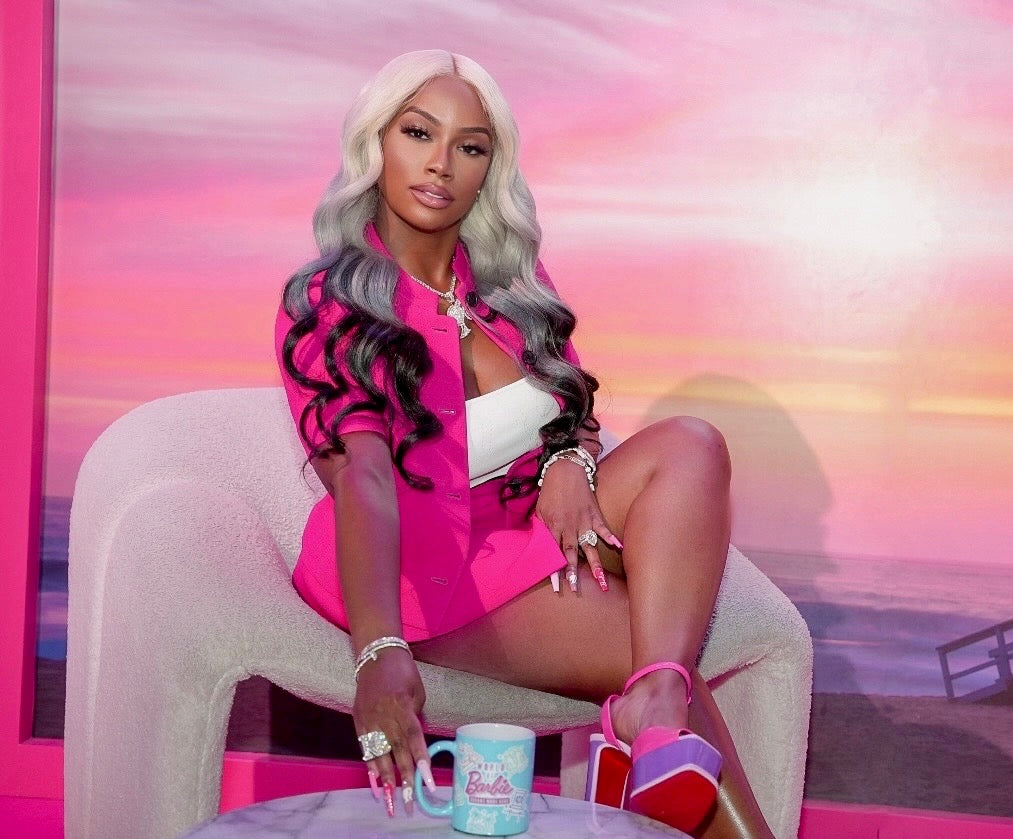
Edges – those little extra hairs along the hairline – can be either removed or shaped into a style asset. The tradition has been around for over a century, and can elevate a hair look to something more personal.
Kendra’s Boutique offers hair styling tools and accessories to help you express yourself with every bit of your totally unique self.
What is an Edge Hair?
You’ll find edge hair at the nape of the neck or along the sides of the face and at the hairline. They’re fine and short, and most prominent in Black or Brown hair, especially among women.
Where removing them was once the usual move, edge hairs have become a way to add some style. It’s a sign of cultural pride to work them into a “look” and has become something of an art form.
The Cultural Roots of Edge Styling
“Edges” first became a thing back in the 1920s when singer Josephine Baker maneuvered her “baby hairs” into a sculpted look, using gel to dramatically set off her short hairstyle with edges.
During the 1930s, cartoon character Betty Boop sported edge curls around her face. Jazz singer Baby Esther also adopted the carefully-crafted arrangement.
It was a “statement” against the cultural push for Black and Brown girls (and later, men) to appear “cleaned up.” Neat, textured hair accents became an asset, which only grew during the Civil Rights era.
When and How Edge Styling Became a Beauty Staple
In the 1960s, the Civil Rights movement encouraged the community to embrace natural hair and ”edges” as a style statement.
By the 1990s, music artists like TLC and Missy Elliot made “edges” part of their look, with neat, sculpted curls at the hairline becoming fashionable again.
How to Lay Your Edges Like a Pro
Laying edges requires nurturing all of your hair assets. That applies to your natural hair or the baby hairs around a quality 6x6 HD lace closure wig, a platinum blonde wig, or any other HD frontal from Kendra’s Boutique.
Step 1: Nourish and Moisturize Your Edges
Use products that soften the hair edges to make them easier to work with. Leave-in conditioners or lightweight oils like jojoba keep the hair healthy and flexible.
Step 2: Apply the Right Edge Control
Use ingredients that read “extra hold” or “24 Hour.” These control materials add firmness. Water-based products and those that don’t flake are also desirable.
Step 3: Gently Brush and Shape
Start with damp hair and apply edge control. Use an edge brush to shape your edges. Let them sit for 20 minutes.
Another technique is to use a mini flat iron to style fine hairs; do this before applying the product that will “set” them.
Step 4: Style to Suit Your Look
Use the comb/brush to slick down, style, and “swoop” the edge hairs for your desired look.
Final Step: Set for Long-Lasting Hold
Set your edges with hairspray and secure the look with a silk scarf. Let everything firm up for 20 minutes or so.
Popular Edge Styles You Can Try
- Thick waves: swoop those baby hairs into a couple of dramatic waves.
- Classic swoops: a clean arc to frame the face.
- Water waves: a softer look, with baby hairs arranged in loops and wave patterns.
- Dramatic designs: bold looks that include braids and cornrows.
- Sleek: slick, low-maintenance, and polished.
Edge Styles at a Glance
|
Style |
Tools |
Hold Level |
Best For |
|---|---|---|---|
|
Soft & Natural |
Edge brush or toothbrush, light-hold gel, scarf |
Light |
Every day, low-maintenance looks |
|
Sleek Swirls |
Strong-hold gel, soft-bristle edge brush, tail comb |
Strong |
Polished, event-ready styles |
|
Effortlessly Chic |
Stiff boar-bristle edge brush, flake-free gel, scarf |
Medium–Strong |
Quick, clean everyday edges |
|
Water-Wave |
Spooley brush, fine-tooth comb, gel plus mousse or hairspray |
Medium |
Dramatic wave patterns |
|
Braided & Defined |
Clips, pointed-edge brush or rat-tail comb, edge gel |
Strong |
Braids, cornrows, structured looks |

Must-Have Tools for Flawless Edge Styling
You’ll need a quality edge control gel or pomade. You can use a fine-toothed comb to section the hair, but the best edge results come from using a small edge brush/styler. It features stiff bristles and a pointed end to create shapes and swirls.
You’ll also need a spray bottle of water, a makeup wipe to clean up excess product, and a silk/satin scarf to help “set” the design.
Soft & Natural Edges
Use either an edge brush or toothbrush, a light-hold edge gel, and a scarf to hold the design as it sets.
Sleek Swirls
These require a strong-hold edge gel and a soft-bristled edge brush with a tail comb. The sharp tail allows for precise sectioning and sculpting. The scarf helps “set” the swirls as the gel dries.
Effortlessly Chic Edges
An edge brush with stiff boar bristles and a sharp end makes it easy to sculpt perfect edges. A good edge control gel (that won’t flake) and a silk or satin scarf will put and keep them in place.
Water-Wave Edge Designs
A spooley brush and fine-tooth comb both help smooth edge hairs and create the dramatic wave patterns. Hold them in place with edge gel; include a bit of mousse or hair spray to prevent frizz.
Wear a scarf until the design is completely set.
Braided and Defined Edges
- Use clips to securely hold hair sections as you work.
- An edge-brush with a pointed end (or a fine-tooth rat-tail comb) helps smooth the fine hairs and create the clean lines for braiding.
- Edge control gel gives control over the hair as you define your edges.
Best Products for Perfectly Laid Edges
The essential products for edge styling include a stiff edge brush with a sharp end to help in sectioning and shaping. Edge control gel or pomade holds the shape, and a scarf keeps it all in place while the design sets.
Step 1: Smooth and Section for Control
Use a fine-tooth comb to section your hair and smooth it. This offers more control when shaping the edges. Use a spray bottle of water to dampen it.
Step 2: Shape with a Boar-Bristle Edge Brush
A double-sided edge brush has the stiffness needed to work with those baby hairs and get them into the desired shape.

Step 3: Finish for Shine and Hold
Set your design with edge-control gel. Wipe off any excess; use a blow dryer on low heat to gently set the gel. Or wear a silk or satin scarf as the gel sets.
Trending Edge Styling Variations to Know
Edge styling allows for your own creativity and unique personality to show through. Classic swoops are polished and timeless, but a few “twists” on edge styles are trending.
- Artistic shapes: these styles elevate simple waves into more complex designs.
- Adding embellishments: gems, rhinestones, and other “add-ons” can really make a slicked-back look pop.
- Swirls: these designs pair well with braids.
- Heart-shaped edges
- Sculpted edges: influencers are rocking designs that extend to the forehead or otherwise frame the face
How to Keep Your Edges Healthy and Full
- Sleep on a satin pillowcase or wear a satin scarf to protect them at night.
- Avoid tight hairstyles or weaves that pull on the hairline.
- Minimize the use of heated styling tools, and use a protectant when you do.
- Use a leave-in conditioner occasionally to keep edges moisturized.
- Give them an occasional break from the use of edge products.
The Finishing Touch Every Style Deserves
Whether you’re rocking our seamless extensions or working with a 3-bundle deal of natural hair to add some extra styling options, don’t forget your edges!
Coaxing these fine hairs into a unique shape adds a unique accent to your look. It’s the finishing touch that instantly elevates your style.
Kendra’s Boutique has everything you need to embrace and enhance your edges!
Frequently Asked Questions
What are edges in textured and natural hair?
Edges are the fine hairs found at the front and sides of the natural hairline. Also known as “baby hairs,” they can be shaped into designs as a form of creativity and cultural expression.
What edge control works best for baby hairs?
There are special edge gels and pomades designed to hold baby hairs in place. Some offer a stronger hold than others. You can add a shot of hairspray for extra control.
How do I keep my edges laid all day?
Use the right tools: an edge comb to separate and shape the hairs, and a strong gel to hold them in place. Wear a scarf over them for 10-30 minutes as they “set.” Finish with a setting spray and avoid touching them.
Can edges be styled without using gel?
For a softer hold, you can use mousse, aloe vera gel, or shea butter to style your edges.
How often should I style my edges?
Edge hairs are delicate. Styling them two to three times a week is ideal to prevent breakage. It gives them time to breathe.
Which brush is best for smooth, defined edges?
An edge brush is specially designed with stiff bristles and a sharp end. These work in combination to separate and shape the edge hairs into beautiful designs.
Why won’t my baby hairs stay in place?
Baby hairs are delicate. They’re easily affected by dryness and humidity. Plus, they’re easily damaged by overuse of heat tools and styling products. Treat your edges gently, moisturize them, and give them a break from styling on a regular basis.
What’s the difference between edges and baby hairs?
They’re pretty much the same thing. Baby hairs are the delicate, new growth around the hairline; these are what’s shaped into “edges” using products and tools.