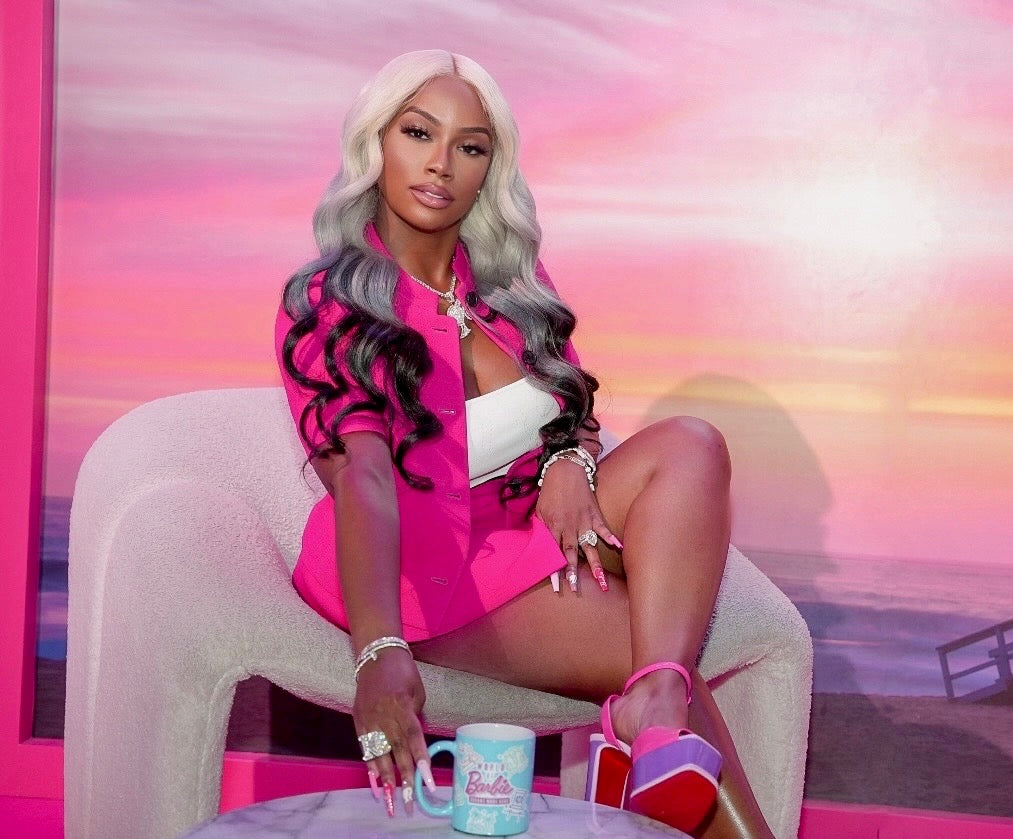
Sitting in the salon chair for hours, only to walk out with braids so tight your scalp throbbed by dinner, is a memory plenty of women who braid their hair share. Somewhere along the way, that became the price of a protective style worth wearing.
Crochet braids exist precisely because that trade-off never made sense. This method uses cornrowed natural hair as its base, with extensions looped through using a hook, giving you curls, twists, locs, or braided looks in hours instead of days.
This guide walks through what crochet braids actually are, the styles gaining popularity right now, and how to pick the one that fits your hair and schedule.
What Are Crochet Braids?
Crochet braids describe a specific installation method rather than an easy hairstyle you can point to. Your natural hair gets cornrowed flat against the scalp as the very first step of the process.
From there, a latch hook or crochet needle pulls pre-looped extension hair through each cornrow, one small section at a time. The hair knots securely at the base, then hangs freely from that point.
This method offers serious versatility that few other installation types can match. You can wear curls one month and switch to locs the next, using the same cornrow pattern underneath.
Crochet installs also mean significantly lower daily manipulation for your actual strands, since your natural hair stays fully protected under the braids for weeks at a stretch.
The one detail worth watching closely is tension at the scalp, because cornrows braided too tight will strain your hairline. That kind of tension causes real, lasting damage to your hairline over time.
Types of Crochet Braids Hairstyles
Crochet braids come in more variety than most beginners realize. Choosing the right one depends on texture, desired length, and how much upkeep you're really willing to put in.
|
Style Category |
Popular Options |
Best For |
|
Curly |
Loose curls, deep wave, water wave, kinky curly |
Soft, bouncy movement and natural blending |
|
Twist |
Passion, Senegalese, Marley, Havana |
Texture, length, and volume without daily styling |
|
Locs and braids |
Faux locs, goddess locs, box braid crochet, boho braids |
A protective look with a natural, lived-in finish |
|
Shortcuts and updos |
Crochet bobs, lobs, tapered cuts, half-up styles |
Low-maintenance daily wear and quick styling |
Curly Crochet Styles
Curly styles are still the most popular crochet look among first-time wearers. Loose curls create soft, bouncy movement, while deep-wave and water-wave textures bring more defined patterns and shine.
Kinky curly options blend seamlessly with natural 4C hair right at the root.
Twist Crochet Styles
Twist styles trade some curl definition for added texture and impressive length options many clients love. Passion twists deliver a soft, feathery finish, and Senegalese twists stay sleek and rope-like from root to tip.
Marley twists add real thickness and volume, while Havana twists give you a chunkier, more dramatic silhouette.
Loc and Braid Styles
Faux locs mimic the look of real, grown locs without asking for long-term commitment from your natural hair underneath. Goddess locs add wavy pieces throughout for a noticeably softer, more feminine edge overall.
Box-braid crochet styles replicate a full box-braid install in a fraction of the usual time. Boho braids blend braided sections with loose, curly pieces left hanging free for contrast.
Short Cuts and Updos
Crochet bobs and lobs are trending heavily right now for their genuinely low-maintenance appeal and effortless styling. Tapered looks add real shape and dimension without requiring any additional length.
Half-up styles and simple buns work especially well for anyone wanting a quick, polished finish on busy mornings.
How to Choose the Right Crochet Braid Style
The best style choice is never just about how it looks in photographs on social media. Weight, tension, and your actual weekly routine matter just as much as the aesthetic you're chasing.
Hair Texture and Volume
Your natural curl pattern directly affects how any crochet style will ultimately sit and blend at the roots. Finer natural hair pairs best with lighter, looser patterns like loose curly or water wave.
Thicker, denser natural hair can comfortably support heavier twist styles, such as Marley or Havana, without unnecessary strain.
Lifestyle and Care Needs
Be genuinely honest about your daily routine before committing to any crochet style for the coming weeks. Low-maintenance options like faux locs or crochet bobs need only minimal daily attention.
Curlier textures need more frequent detangling and moisture refreshing to stay defined and frizz-free throughout the wear.
How Crochet Braids Are Installed
Installing crochet braids requires real technique, and getting the foundation wrong causes far more problems than it solves.
Prep and Braid Pattern
Start every install with clean, well-moisturized natural hair to reduce unnecessary friction during braiding. Stretching the hair beforehand reduces shrinkage and helps keep tension even across every cornrow.
Your stylist will choose a cornrow pattern based on your desired part, whether that's straight back, curved, or angled for later flexibility.
Latch Hook Placement
Even spacing between cornrows matters far more than most beginners expect when they walk into their first session. Tight, secure knots at the base keep every crochet piece from slipping loose.
As a dermatologist at Baylor College of Medicine puts it, "pain with braids is not normal and should not be tolerated." If your scalp hurts during or after installation, it means the tension applied was too tight.
Many beginners choose professional installation for their first attempt, then move confidently to DIY once they understand spacing and tension by feel.
How to Maintain Crochet Braids

Good maintenance keeps your style fresh while protecting your natural hair throughout the time it stays braided.
Scalp and Hair Care
Moisturize your scalp lightly every few days using a water-based spray or a small amount of light oil. Avoid heavy products entirely, since they build up at the roots quickly and dull the shine.
Cleanse gently by applying diluted shampoo directly to the scalp with a nozzle applicator, without fully saturating the crochet hair itself.
Night Protection and Refreshes
Wrap your hair in a satin scarf or bonnet every night to meaningfully reduce friction and frizz buildup.
Research from the National Institutes of Health found that traction alopecia affects an estimated 31.7% of adult women, largely tied to prolonged tension from tight braided styles. That statistic is precisely why loose, properly installed cornrows matter so much.
Trim stray pieces occasionally and gently separate curls with your fingers between washes. A light mist controls frizz nicely as each week of wear goes on.
Protective styles like crochet braids significantly reduce daily manipulation of your natural hair. They will not, however, make hair grow any faster on their own naturally.
Your Signature Look Starts Here
Crochet braids let you experiment freely with texture, length, and color without asking for daily commitment from your natural hair. Choose a style that fits your actual routine, install it with even tension throughout, and maintain it consistently with gentle products made for textured hair.
Kendra's Boutique carries everything you genuinely need to make that install happen beautifully, from quality braiding hair to the right finishing tools for a polished, long-lasting result you'll want to repeat.
Frequently Asked Questions
How Long Do Crochet Braids Last?
Most crochet braid installations last between 4 and 8 weeks, depending on hair quality, chosen style, and your maintenance habits. Curlier textures may need earlier refreshing than straight or wavy styles, since frizz builds up faster in curly patterns.
Are Crochet Braids Good for Natural Hair?
Yes, as long as the style is installed and maintained properly from the start. Crochet braids protect your natural hair by keeping it cornrowed and untouched for several weeks. The real key is avoiding excessive tension at install time while moisturizing your scalp regularly throughout the wear.
Can Crochet Braids Damage Your Hair?
They absolutely can, but typically only when installed too tightly or worn well past a healthy timeframe. Tight cornrows remain by far the most common cause of tension-related breakage and thinning. Over time, that same tension can progress toward traction alopecia along the hairline. Choosing a hair extension store that prioritizes gentle, quality hair over speed makes a genuine difference.
Can You Wash Crochet Braids?
yes, though the process looks different from washing loose, unbraided hair at home. Use a diluted shampoo applied directly to the scalp with an applicator bottle. Focus on the roots instead of soaking the entire crochet piece. Following up with hair styling tools & accessories designed for textured hair keeps the process gentler.
How Many Packs of Hair Do You Need for Crochet Braids?
Most full crochet installs use between two and four packs, depending on your desired fullness and overall length. Shorter, lower-volume styles typically need noticeably less hair to achieve a nicely full look. Longer or thicker-looking Havana twists may require one additional pack for complete coverage. Quality hair bundles for braiding make a real difference in how the install holds up, and pairing it with a few easy hairstyles keeps your look fresh between washes.